4 verified industrial / factory listings currently available. Browse for free — unlock the full verified brief for any listing you like.
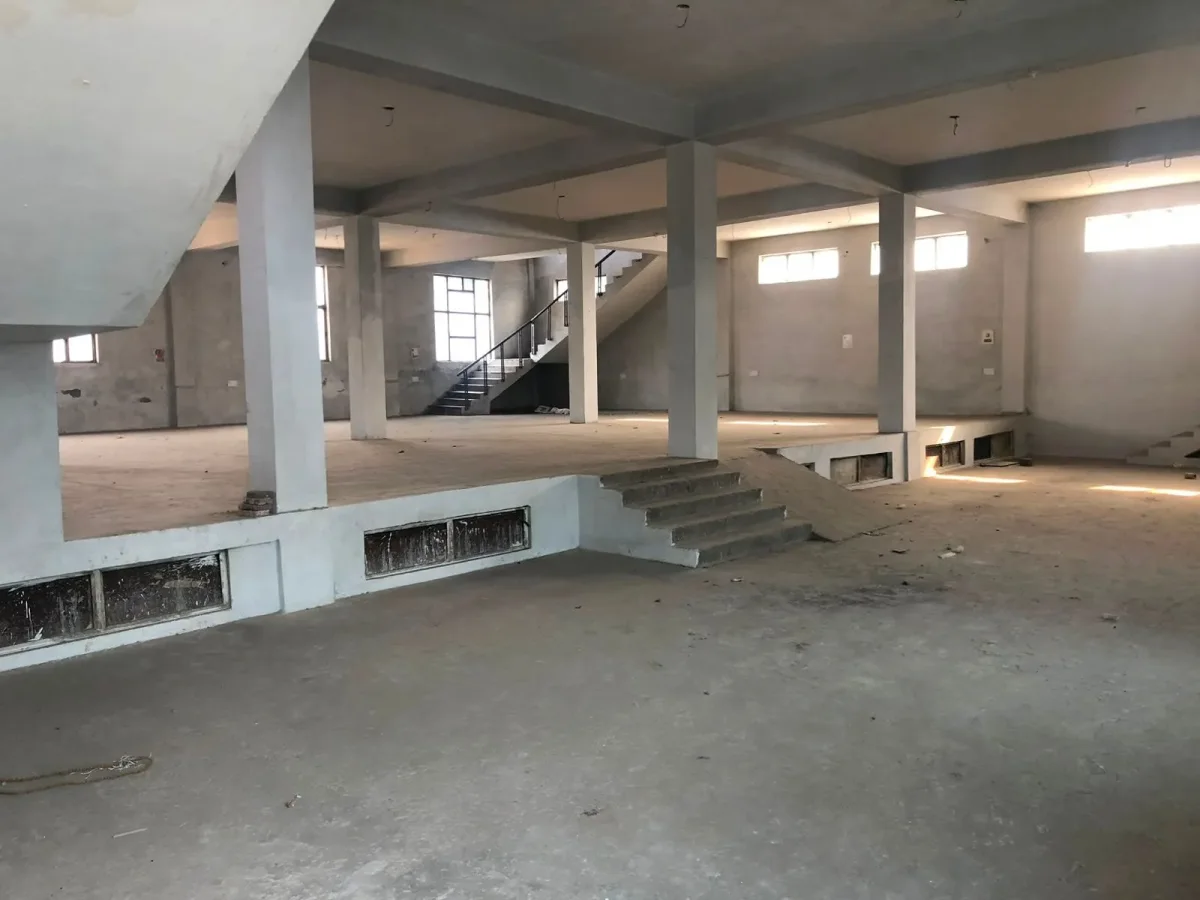
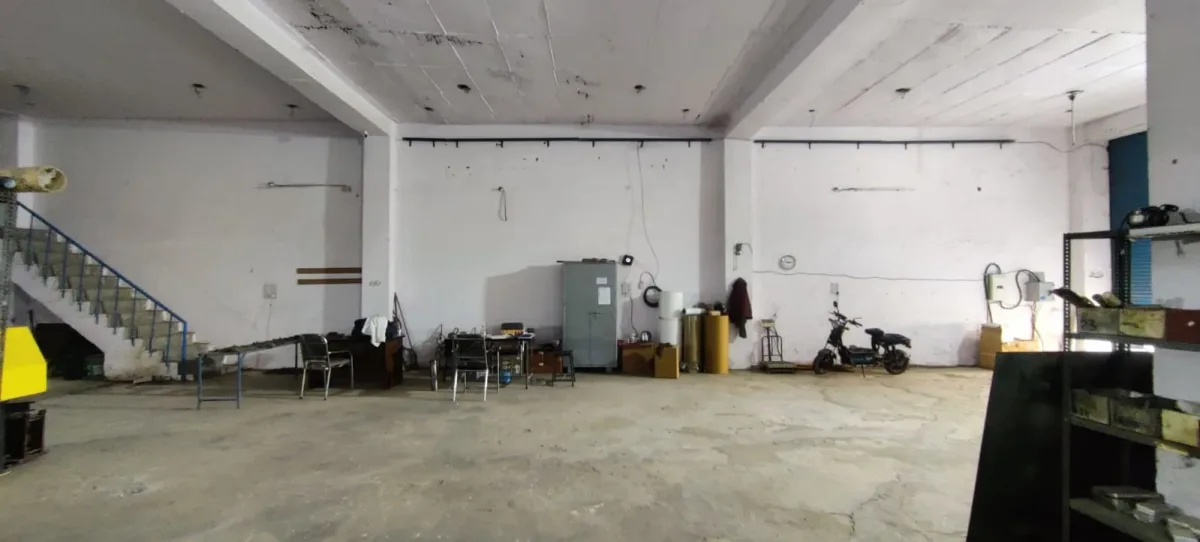
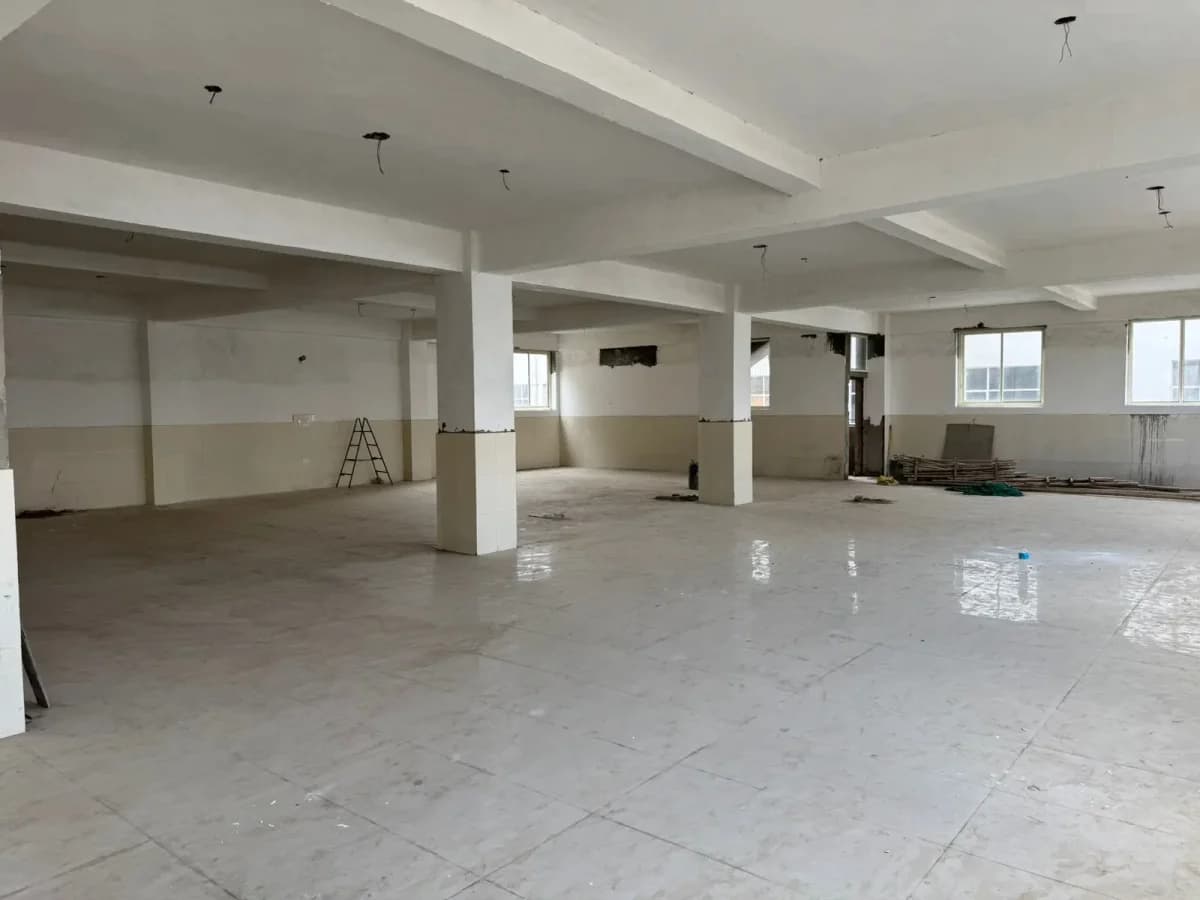
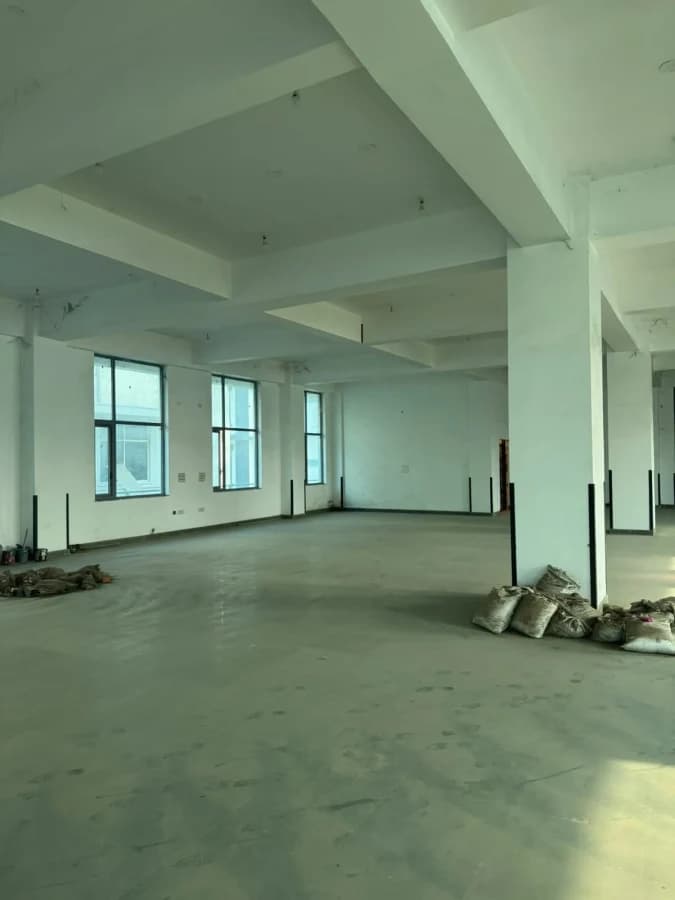
Industrial space needs vary by zoning classification, power load sanctioned, effluent/pollution clearances, and truck access — worth confirming early with any listing.
Industrial land and building use is governed by state and municipal zoning classifications that restrict permitted activities — confirm the property’s zoning matches your intended use before signing, since a mismatch can block operations or licensing.
This is negotiable and should be explicit in the lease — for many manufacturing uses, the tenant typically obtains their own operational consent clearances, while the building’s underlying industrial-use approval is usually the landlord’s responsibility.
Typically a company/business registration or GST certificate, PAN, and identity/address proof of the signing authority, plus financials for larger deals. Requirements vary by landlord and deal size.
Commercial security deposits commonly range from 6 to 10 months' lease amount in India, though this is negotiable and varies significantly by city, property type, and landlord.
Yes — leasing out commercial property in India is generally subject to GST (currently 18%), payable by the tenant in addition to the base lease amount.
A lock-in period is a contractually agreed minimum duration during which neither the landlord nor the tenant can terminate the lease — common in commercial agreements to protect both sides' upfront investment.
Carpet area is the actual usable floor area within the walls. Built-up area adds wall thickness and balconies; a further-loaded "super built-up" figure (common in malls and business parks) also includes a share of common areas like lobbies and lifts.
Most commercial space is handed over "as-is," "warm shell," or "bare shell," with the tenant responsible for interior fit-outs — though some landlords offer a fit-out contribution or free fit-out period as part of negotiation.